The smartphone landscape is increasingly dominated by a tier above the traditional flagship: the “Ultra” class. These devices represent the absolute pinnacle of what a manufacturer can achieve, often focusing heavily on camera innovations, display technology, and raw processing power.
In the Android sphere, two upcoming heavyweights poised to define this category are the Google Pixel 9 Pro and the Xiaomi 15 Ultra. Both phones represent significantly different philosophies regarding smartphone design and user experience. Xiaomi pushes the boundaries of hardware, particularly in partnership with camera legend Leica.
This article provides an in-depth comparison of these two anticipated devices, highlighting their core differences and addressing the unique complexities of accessing and pricing these phones in the United States.
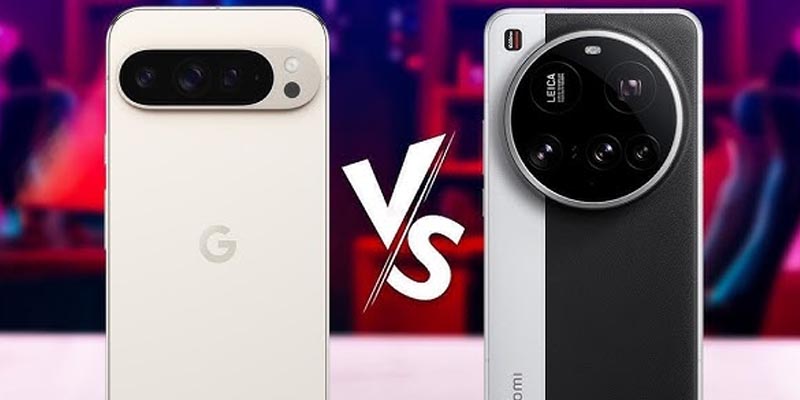
Google Pixel 9 Pro: The Software and AI Pioneer
Google’s approach to its flagship line has increasingly emphasized intelligence over raw benchmarks. The Pixel 9 Pro is expected to be the quintessential example of this “AI-first” philosophy.
The Power of Tensor and AI: The Pixel 9 Pro will debut Google’s next-generation Tensor G4 chip. While Tensor benchmarks often trail behind Qualcomm’s Snapdragon counterparts, Google prioritizes on-device AI processing. This enables features that define the Pixel experience: real-time live translation of calls and texts, incredibly sophisticated call screening, and “Best Take” editing in photos. The Pixel 9 Pro isn’t just about speed; it’s about making complex tasks intuitive and automated.
The Camera: Computational King: Google pioneered computational photography, and the Pixel 9 Pro is expected to maintain its reputation as one of the best point-and-shoot cameras on the market. It will likely feature a polished triple-camera setup (main, ultrawide, and telephoto). However, the real magic happens in the software pipeline. Features like “Magic Editor,” improved Night Sight, and advanced computational zoom (Super Res Zoom) allow users to take stunning photos with minimal effort, excelling at capturing moving subjects and tricky lighting scenarios where other phones struggle.
Xiaomi 15 Ultra: The Hardware and Optics Powerhouse
Conversely, Xiaomi’s Ultra series represents an unapologetic pursuit of hardware superiority, particularly in mobile photography, driven by its collaboration with Leica.
The Leica Partnership and Hardware Prowess: The defining characteristic of the Xiaomi 15 Ultra is its camera system. Xiaomi is known for incorporating the largest available camera sensors, including 1-inch type sensors on its main shooters. This provides massive advantages in light intake, dynamic range, and natural depth of field. In collaboration with Leica, Xiaomi offers unique color science and authentic Leica photographic styles (like “Leica Authentic” and “Leica Vibrant”). The Ultra will likely feature a versatile quad-camera array with incredible optical zoom capabilities, aimed directly at mobile photography enthusiasts and professionals who want DSLR-like control.
Performance and Display: Beyond the camera, the Xiaomi 15 Ultra is expected to be a performance monster. It will almost certainly feature the Qualcomm Snapdragon 8 Gen 4 chipset, which usually leads the Android market in raw benchmarks and gaming performance. Xiaomi devices also typically boast incredibly fast charging capabilities (often 120W wired and 50W+ wireless) and top-tier display specifications with extremely high peak brightness and high-frequency PWM dimming for eye comfort.
Head-to-Head: Software vs. Hardware
The fundamental choice between the Pixel 9 Pro and the Xiaomi 15 Ultra boils down to what you prioritize in a smartphone experience.
The Pixel 9 Pro is for users who want a smart, seamless phone that anticipates their needs and offers a clean Android interface with unique, practical AI integrations. Google also generally offers longer and more timely software update commitments.
The Xiaomi 15 Ultra is for users who want the absolute best hardware specifications—the fastest processor, the largest camera sensor, the most versatile zoom, and the fastest charging. The user experience is heavily geared towards customization (via Xiaomi’s HyperOS interface) and maximizing raw performance.
USA Availability and Pricing: The Critical Differentiator
When comparing these two devices, the conversation changes dramatically when focusing specifically on the United States market. This is where the similarities end and logistics become the determining factor.
Google Pixel 9 Pro: Seamless US Presence: Google treats the USA as its primary market. The Pixel 9 Pro will have widespread, official availability.
- Availability: It will be sold directly through the Google Store, all major US carriers (Verizon, T-Mobile, AT&T), and major retailers like Best Buy and Amazon. This means easy access to carrier deals, financing, insurance, and local support.
- USA Price: Based on previous generations, the Pixel 9 Pro is expected to launch around $999. Google often competitive pricing, and carrier subsidies can lower the effective cost significantly with trade-ins.
Xiaomi 15 Ultra: The Import Challenge: Xiaomi does not officially sell its smartphones in the United States due to various regulatory and market challenges. This creates a completely different pricing and availability reality for US consumers interested in the 15 Ultra.
- Availability: US buyers cannot purchase a Xiaomi 15 Ultra from a carrier or a traditional retailer. The only option is importing a global version through third-party resellers or international electronics importers. This means no carrier financing, potential difficulties with VoLTE/5G compatibility on certain US bands, and very limited warranty or repair support within the USA.
- USA Price (The Import Markup): The cost of the Xiaomi 15 Ultra for a US buyer is significantly higher than its direct exchange rate price in other markets. Resellers incorporate high markups, international shipping costs, and import duties.
- While the 15 Ultra might launch around $1,100-$1,200 internationally, US consumers should expect to pay a premium. A safe estimate for importing the Xiaomi 15 Ultra to the USA would be anywhere from $1,400 to $1,600, sometimes even higher during the initial launch phase. Furthermore, purchasing accessories like the specific “camera grip” kit adds even more to the total cost.
Verdict for US Buyers
The decision between the Pixel 9 Pro and the Xiaomi 15 Ultra, for anyone residing in the US, is less about which phone has slightly better specs and more about convenience and practical cost.
For the vast majority of US consumers, the Google Pixel 9 Pro is the only logical choice. It is a true ultra-flagship that is officially supported, offers a premier Android experience with unique AI smarts, and is priced competitively within the US ecosystem.
The Xiaomi 15 Ultra is exclusively for enthusiasts and niche users in the USA. If you are a mobile photography purist who wants a 1-inch sensor, unique Leica color science, and incredible zoom, and you are willing to navigate the complexities of importing, potential network compatibility issues, and a significantly higher price tag (nearly $500 to $600 more than the Pixel 9 Pro after import costs), only then is the 15 Ultra worth considering.
For most people, the smart, officially supported Pixel 9 Pro offers much greater overall value and peace of mind.